

The signs your wiper blades are past it
Your blades tell you when they’re finished, you just have to know the signals. Streaking is the classic one: instead of a clean sweep, they leave bands or a hazy film of water across the glass. Skipping or chattering, where the blade judders across the screen instead of gliding, means the rubber has hardened and lost its flex. Squeaking, smearing, and patches the blade misses entirely all point the same way. Lift each blade off the glass and run a fingertip along the rubber edge: if it feels rough, cracked, split or rigid rather than soft and smooth, it’s done. As a rule of thumb, wiper blades last somewhere between six and twelve months depending on climate and where the car is parked, and autumn is the natural moment to check. If you’re ever unsure, just replace them, they’re inexpensive, and clear vision in the wet isn’t the place to economise. One extra autumn giveaway: blades that coped fine all summer suddenly smear badly when the low morning sun catches a greasy screen, that glare-and-smear combination is exactly when you least want to discover them, so it pays to check before the clocks change.Flat-beam, frame and hybrid blades: pros and cons
There are three main types, and knowing the difference makes choosing easy. Traditional frame blades (also called bracket blades) use a metal frame with several pressure points holding the rubber against the glass; they’re cheap and fit almost everything, but the joints can collect ice and snow in winter and the pressure gets less even as they age. Flat-beam blades (also called aero or beam blades) use a single curved spring strip along the whole length, so pressure is even from end to end; they sit low, run quieter, cope better with wind at speed and shed snow more easily, they cost a little more and are the modern factory default on many cars. Hybrid blades wrap a flat-beam-style shell around a frame, splitting the difference: robust, good-looking and strong performers. A dependable set of Bottari Europe wiper blades covers all three styles, so the simplest approach is to match what your car came with, or step up to flat-beam for a quieter, cleaner wipe. It’s also worth knowing that some blades carry a graphite or silicone coating on the rubber that helps them run quietly and last a little longer; whatever type you choose, it’s a good-quality edge that separates a clean wipe from a streaky one.
How to read the size and fitting for your car
Two things decide whether a blade fits: its length and its fitting (the clip that attaches it to the wiper arm). The driver’s and passenger’s side are very often different lengths, so measure both or check your handbook, and don’t assume they match. If you’re measuring, run a tape along the rubber from tip to tip and note each side separately. The other half is the fitting: the hook (or J-hook) is by far the most common, but you’ll also see bayonet, pin, push-button and side-lock types, and many replacement blades ship with a set of adaptors to cover several of them. Getting the length right matters more than people think, too long and the blades clash in the middle or hang over the edge of the glass, too short and they leave a strip of your view unwiped. If you’re not sure what your car takes, most retailers offer an online fitment lookup: enter your registration or your make, model and year, and it returns the exact lengths and fittings, a quick way to avoid buying the wrong set.
Front and rear: don’t forget the back window
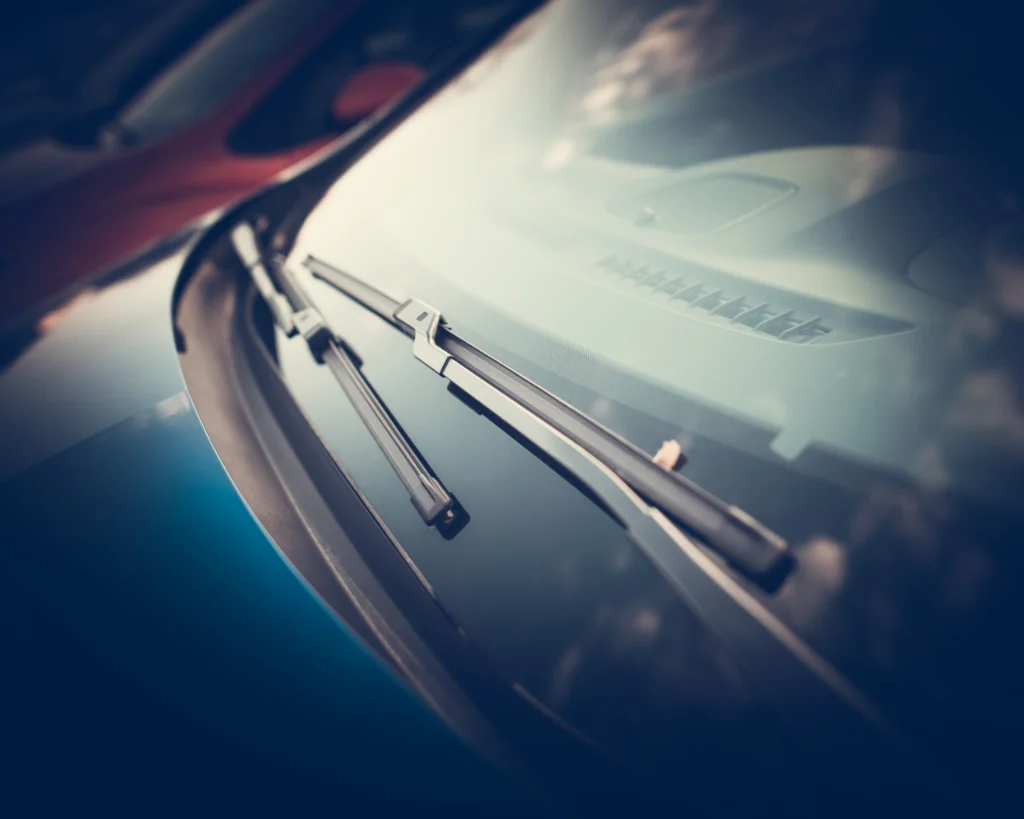
It’s easy to obsess over the front pair and completely forget the rear wiper, right up until it smears across the back window on a dark, wet evening as you reverse off the drive. If your car has a rear wiper (most hatchbacks, estates and SUVs do), it needs the same attention as the front, and it’s usually a different length and often a different fitting, frequently a car-specific part rather than a universal one. Check it separately when you’re buying, rather than assuming a front set covers you, and fit the right rear wiper blade2 at the same time so your whole field of view stays clear, not just the bit ahead of you. Rear blades often get overlooked precisely because they run less often, but they still perish in the sun and weather, so they’re worth a quick check even if you rarely switch them on.
Refills vs full replacement: what’s worth it
Some blades let you replace just the rubber strip, the refill, rather than the whole blade. It’s cheaper and creates less waste, and it’s a good option if your blade’s frame or beam is still in good shape and refills are actually available for that model. The catch is that a refill only fixes the rubber; if the frame is corroded, the spring has lost its tension or the whole thing is a few years old, you’re better off replacing the complete blade. Full wiper blade refills3 make sense for a nearly-new blade with a worn edge; a full replacement is the foolproof choice when you want to be certain everything, frame, spring and rubber, is fresh. If in doubt, replacing the whole blade is quick, cheap and removes any guesswork. If you do go the refill route, take the old strip with you or note its exact length and profile, because refills aren’t universal and the wrong one won’t seat properly in the frame.
How to fit new blades in five minutes
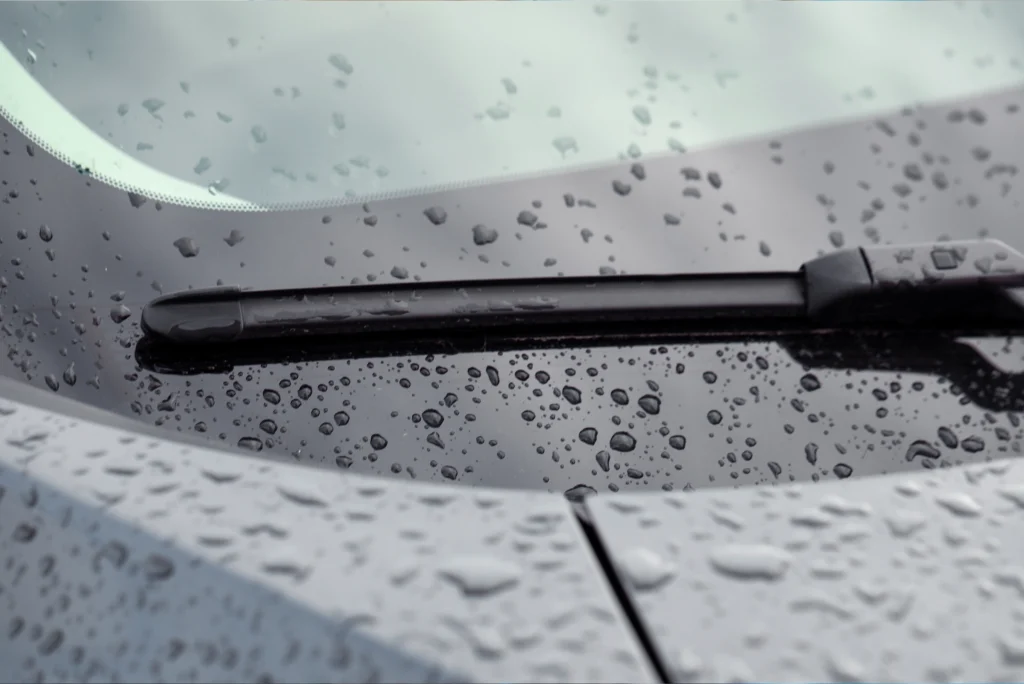
Fitting wipers is genuinely a five-minute job. Lift the wiper arm away from the glass until it locks upright, and keep hold of it or rest it on a folded cloth, if a bare metal arm snaps back onto the windscreen it can crack it. Turn the old blade to find the clip or tab holding it to the arm, press or squeeze the release, and slide the old blade off. Fit the correct adaptor to the new blade if your car needs one, then line it up and push until it clicks firmly into place, a loose blade will rattle or fly off, so make sure it’s locked. Lower the arm gently back onto the glass and repeat on the other side. Do one at a time, so you always have the other side as a reference for how it should look, then run the wipers with a little screen wash to check for a clean, quiet sweep. If the new blade chatters or misses, it’s usually either not clicked fully home or the arm has lost tension over the years, reseat the blade first, and only then consider whether the arm itself needs attention.
How to make your blades last longer
A few small habits noticeably extend the life of a set. The biggest one is keeping your windscreen clean: it’s grit and grime, not age alone, that shreds the rubber edge, so wipe the glass with a clean glass cloth4 and always run the wipers with plenty of screen wash rather than on a dry, dusty screen. In frost, lift the blades away from the glass overnight or use a windscreen cover so they don’t freeze to the surface and tear when you pull them free. Clear leaves and debris out of the channel at the base of the windscreen where the blades park, and give the rubber edge itself an occasional wipe to remove the film that builds up on it. None of it takes more than a minute, and it can comfortably add months to how long a set stays streak-free. One habit to avoid: don’t use the wipers to clear a thick layer of ice or snow. Scrape or brush it off first, because dragging the blades across frozen debris is one of the quickest ways to nick and ruin the rubber edge.
Clear vision, sorted in five minutes
Wiper blades are a low-cost, five-minute job that pays you back every single time it rains, and autumn, just before the wet season sets in properly, is exactly the moment to deal with them. Learn to read the warning signs, pick the type and size that suit your car, don’t forget the rear, and fit the new set yourself in minutes. When you’re ready to replace them, find the right fit for your car in the Bottari Europe Wiperblades range5 and head into the rainy months seeing clearly.

 Spain
 Portugal
 Poland
 Romania
 Hungary
 Baltic