
The clocks went back at the end of October, and with them went your evening daylight. Almost overnight, the commute that used to finish in dusk now finishes in the dark, and for the next few months a big share of everyone’s driving and cycling happens with the lights on. That sudden shift catches people out every year, which is exactly why the first dark weeks are some of the trickiest of the whole season. The good news is that a little preparation goes a long way, whether you’re behind the wheel or on two wheels. Here’s how to see, and be seen, as the evenings close in. Most of it takes minutes and costs very little, and it pays off every single evening between now and spring.
Why the first dark weeks are the riskiest
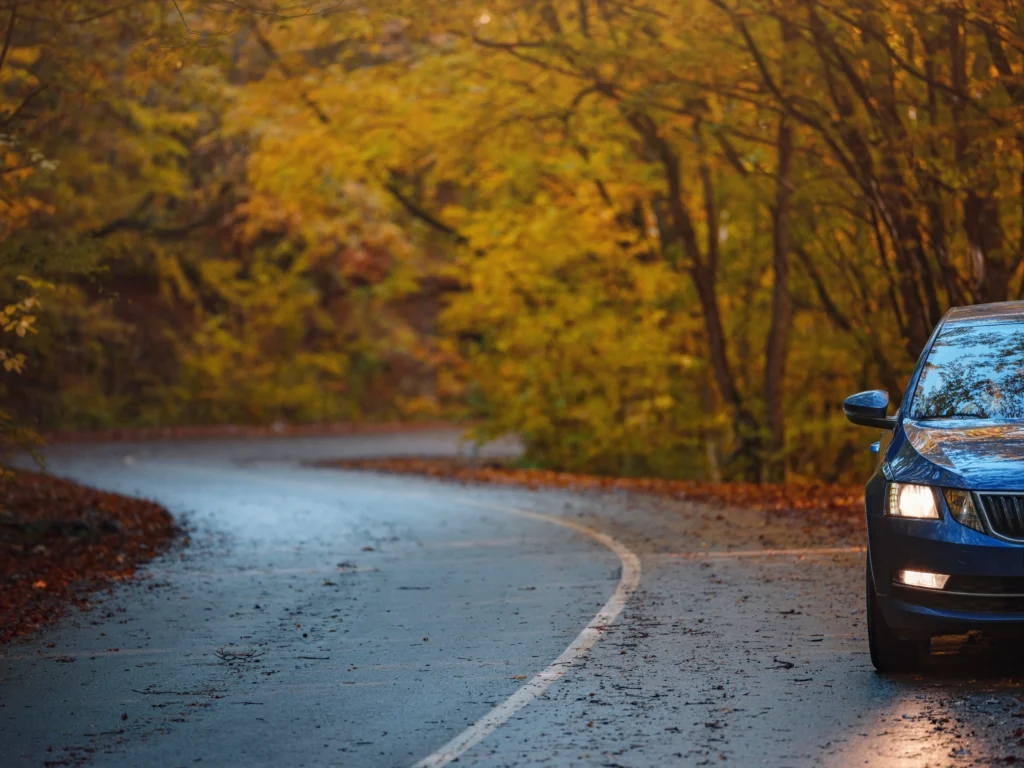
There’s a reason the end of daylight saving is such a flashpoint. For a week or two, your routine hasn’t caught up with the light: you set off or head home at the same clock time as last week, but now it’s genuinely dark, and your eyes, along with everyone else’s, are still adjusting to travelling in low light. Pedestrians and cyclists become far harder to spot, glare from wet roads and oncoming headlights is at its worst, and tiredness creeps in earlier in the dark evenings. Add the season’s first rain and fallen leaves, and the risks stack up on top of one another. None of it is dramatic on its own, but together it’s why the simple habit of preparing for the dark, rather than being surprised by it, makes such a difference right now, in the first couple of weeks after the change. It’s also when breakdowns and minor incidents tend to cluster, simply because more people are driving and riding tired, in the wet and in the dark all at once, all the more reason to get your own setup sorted before the change rather than after it.
For drivers: bulbs, beam aim and a clean windscreen
Start with the basics that do the most work. Walk around the car with the lights on and check every bulb, dipped and main beam, sidelights, indicators, brake and reversing lights, and the number-plate light, and replace anything dim or blown. Cloudy, yellowed headlight lenses throw far less light than clear ones, so give them a clean, or have them polished if they’re badly hazed. Check your beam aim too: headlights pointed too high dazzle oncoming traffic, while too low and you simply can’t see far enough ahead. And keep your glass clean inside and out, because a smeared or greasy windscreen turns every set of oncoming headlights into blinding glare. A quick wipe with a glass cloth and a top-up of screen wash makes a bigger difference to your night vision than most drivers ever realise. It’s also worth carrying a spare set of bulbs where that’s practical for your car, so a blown headlight on a dark evening is a two-minute fix rather than a drive home half-lit. Keep a microfibre cloth in the door pocket too, so you can clear condensation or spray off the inside of the glass at a moment’s notice.
Upgrading to brighter, legal bulbs
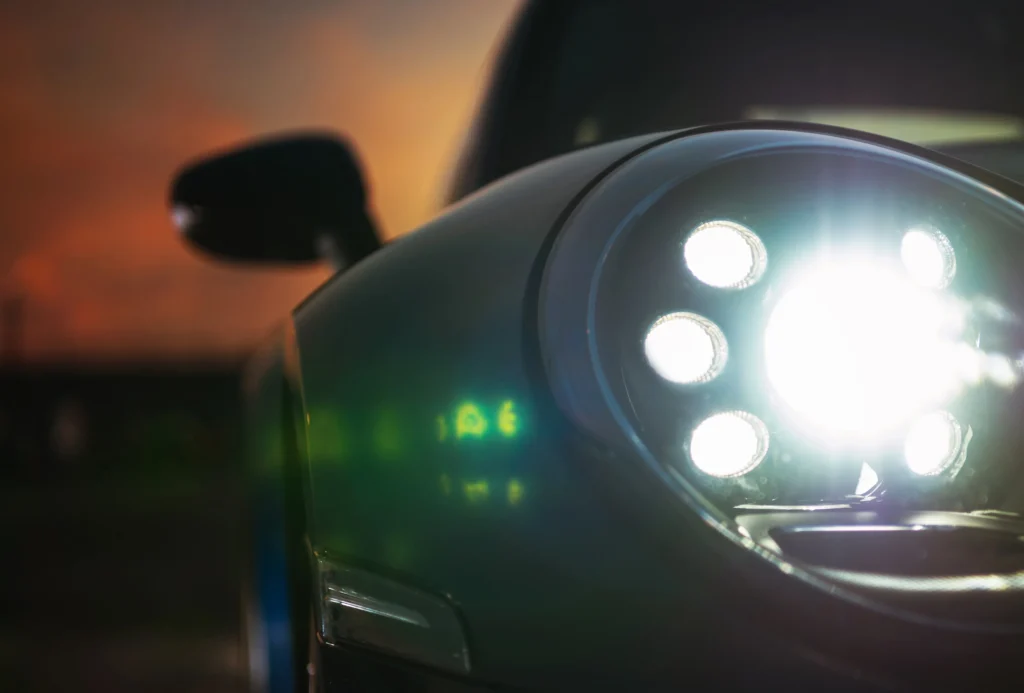
If your headlights feel weak, upgrading the bulbs is one of the cheapest ways to improve night vision. Brighter LED or “superwhite”-style bulbs from the Bottari Europe lighting range give a whiter, clearer beam that makes road signs, markings and hazards easier to pick out at a distance. The one rule that really matters: whatever you fit must be road-legal and correctly rated for your vehicle, because bulb types, colours and approvals are regulated and differ from country to country, so check what’s permitted where you drive before you buy anything. Replace bulbs in pairs so the two sides match in brightness and colour, and resist the urge to chase the brightest possible output at the expense of dazzling everyone coming the other way. Fit them with clean hands or a cloth, too, the oil from your fingers can shorten a bulb’s life, and check the beam still sits at the right height afterwards, because a brighter bulb aimed too high dazzles more, not less. And if you’re unsure whether an upgrade is street-legal for your car, a quick look at the packaging approval markings together with your local rules settles it before you fit anything.
For cyclists: a proper be-seen lighting setup
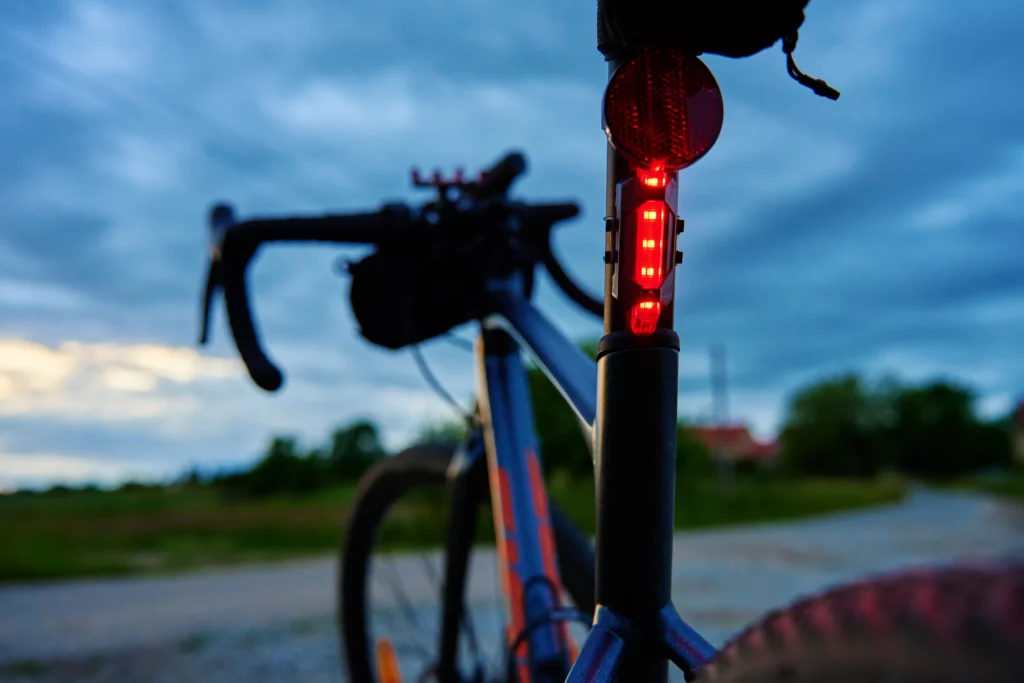
If you’re on a bike, lights stop being optional the moment the clocks change. You need a white light at the front and a red one at the rear, switched on whenever the light drops, and in many places a working front and rear light are a legal requirement after dark, so check the rules where you ride. A matched set of Bottari Europe bike lights (front & rear) takes the guesswork out of covering both ends: a steady front light helps drivers judge your distance and speed, while a flashing rear grabs attention in traffic. Keep them charged, wipe the lenses clean of autumn road spray, and consider a small backup light so a flat battery never leaves you invisible. A helmet or wheel light adds presence from the angles a bar-mounted lamp simply can’t reach. If you ride the same route daily, get into the habit of putting the lights on charge the moment you get home, so they’re always ready for the next trip rather than fading halfway through it.
Reflectives and clothing that make the difference
Lights point one way; reflectives fill in the rest. For cyclists especially, a reflective harness or a set of reflective ankle bands bounce drivers’ headlights straight back from the side, exactly where a front-and-rear setup does nothing, and exactly where junction collisions tend to happen. For drivers it matters too: keeping a hi-vis vest in the car means that if you ever have to step out onto a dark roadside, you’re visible to passing traffic from the moment you open the door. Remember the difference between bright and reflective, because they do different jobs: fluorescent colours stand out in daylight and gloom, while reflective material only lights up once a headlight actually hits it after dark. Through the dark months you want both, worn where they face outward and where they move. It’s a cheap layer of safety that works even when a light fails: a reflective band keeps doing its job on a dead battery, which is exactly why it belongs alongside your lights rather than instead of them.
Shared habits: reduce glare, slow down, plan the route
Some of the best dark-commute safety costs nothing at all. Whether you’re driving or riding, reduce glare by glancing towards the left edge of your lane rather than straight into oncoming lights, and keep your own lights clean and correctly aimed so that you’re not the one dazzling others. Slow down: in the dark you can see less far ahead, so leaving more space and easing off the pace buys you the time to react that daylight used to give you for free. Plan your route for the season, well-lit roads and paths beat the dark short-cut, even when it adds a few minutes. And take extra care at junctions, where most collisions with cyclists and pedestrians happen, and where catching another road user’s eye before you move is worth far more than who technically has right of way. And give yourself a little longer for the journey in the dark months, rushing is what turns a missed glance or a late brake into an incident, and a few minutes’ buffer is the simplest safety upgrade there is.
A two-minute dark-commute checklist
Before you head out into the dark, a quick run-through covers you. Drivers: all lights working and clean, windscreen clear inside and out, screen wash topped up, and a hi-vis vest in the car. Cyclists: front and rear lights on and charged, lenses wiped, reflectives on and facing outward, and a backup light in the bag. For everyone: give your eyes a moment to adjust to the dark before pulling away, and choose a route you can actually see. It feels a little fussy the first couple of times and then becomes completely automatic, and it’s the difference between dreading the dark commute and barely giving it a second thought. Pin the list by the door or save it on your phone for the first week or two, until the new routine sticks.
See clearly, and be clearly seen
The end of daylight saving is one of the few moments that touches everyone who travels, in the car and on the bike alike. A clean windscreen, a good set of bulbs, a proper bike-light setup and a few shared habits turn the dark season from a hazard into just another part of the routine. Light up your commute with Bottari Europe’s car bulbs5 and bike lights6 for the months ahead, and head into the dark both seeing clearly and clearly seen.

 Spain
 Portugal
 Poland
 Romania
 Hungary
 Baltic